
Joint pain can make everyday movement more difficult, whether it affects your knees, hips, shoulders, or other areas of the body. When pain persists despite rest, activity modification, or other conservative treatments, a targeted joint injection may be considered as part of a nonsurgical treatment plan. At Modern Pain Management & Regenerative Institute, joint injections are performed with a personalized, physician-led approach. Dr. Mariam El-Baghdadi is a fellowship-trained interventional pain management physician with more than 15 years of experience and thousands of injections performed. Her extensive knowledge of anatomy, musculoskeletal conditions, and injection technique allows treatment to be directed to the specific joint or structure believed to be contributing to your symptoms. Rather than treating joint pain with a one-size-fits-all approach, Dr. El-Baghdadi evaluates your symptoms, health history, imaging, and individual goals to determine whether a targeted injection may be appropriate for you.
Discover A More Targeted Approach to Joint Pain Care
Targeted joint injections are procedures in which medication or another therapeutic substance is placed into or around a specific joint or related structure.
Depending on the condition being treated, an injection may be considered to help manage pain and inflammation, provide diagnostic information, or support a broader treatment plan.
Joint injections may be considered for concerns involving areas such as:
The type of injection recommended depends on the joint involved, the suspected source of your symptoms, your medical history, and your treatment goals.

Joint pain can develop for many reasons, including arthritis, injury, repetitive use, inflammation, or age-related changes. An injection may be considered when symptoms continue to interfere with movement or everyday activities and the affected structure has been identified as a potential source of pain.
Depending on your diagnosis, targeted joint injections may be discussed for conditions or symptoms such as:
Not every type of joint pain requires an injection. A comprehensive evaluation helps determine whether a procedure may be appropriate and what other treatment options should be considered.
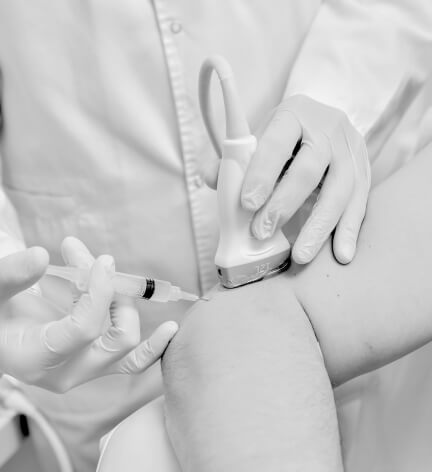
Your consultation begins with a detailed discussion of your symptoms, how long they have been present, activities that make them better or worse, previous treatments, and how joint pain is affecting your daily life. Dr. El-Baghdadi may also perform a focused musculoskeletal examination and review existing X-rays, MRI scans, or other imaging when available. When clinically appropriate, imaging guidance may be used to help visualize the treatment area and assist with precise placement of the injection.

The effectiveness and safety of an injection depend on appropriate patient selection, a thorough understanding of anatomy, and precise procedural technique.
Dr. El-Baghdadi has more than 15 years of interventional pain management experience and has performed thousands of injections. Her training includes Tulane University School of Medicine, anesthesiology residency training at the University of Pittsburgh Medical Center, and a pain management fellowship at MD Anderson Cancer Center, where she served as Chief Fellow.
Patients choose Modern Pain Management & Regenerative Institute for physician-led care that combines clinical experience, precise injection technique, and individualized treatment planning.

Andrew T.
The substance used depends on the condition being treated and the goals of the procedure. Certain injections may involve medication intended to address inflammation or discomfort, while other treatment approaches may be considered based on the individual patient. Dr. El-Baghdadi will explain what is being recommended and why before treatment.
Joint injections may be performed in a variety of areas, including the knee, hip, shoulder, sacroiliac joint, and certain joints of the spine. Whether an injection is appropriate depends on the source of your symptoms and your individual diagnosis.
Some joint injections are performed with imaging guidance when clinically appropriate. Imaging can help the physician visualize the anatomy and guide placement of the injection into the intended location. The technique used depends on the joint and procedure being performed.
Many joint injections are relatively brief procedures, although appointment length varies based on the joint being treated, the type of injection, and whether imaging guidance is used. Dr. El-Baghdadi will explain what to expect before your procedure.
Response to treatment varies depending on the type of injection, the underlying condition, and the individual patient. Some people may notice a change relatively quickly, while others may take longer to assess their response. No injection can guarantee a specific degree or duration of relief.
For some patients, injections may be one component of a nonsurgical treatment plan. However, whether surgery is ultimately necessary depends on the underlying condition, severity of joint damage, symptoms, function, and response to other treatments. Patients with certain conditions may still require evaluation by an orthopedic or other surgical specialist.
Platelet rich plasma, or PRP, may be injected into certain joints for select musculoskeletal conditions when clinically appropriate. PRP is prepared from a patient’s own blood and contains concentrated platelets and signaling proteins involved in the body’s natural healing response. It is not appropriate for every joint condition, and outcomes cannot be guaranteed. A consultation can help determine whether PRP may be reasonable to consider.
Discover A Non-Surgical Approach to joint pain
If joint pain is making it harder to walk, exercise, work, or participate in the activities you enjoy, Modern Pain Management & Regenerative Institute can help you better understand what may be contributing to your symptoms.
Schedule a consultation with Dr. El-Baghdadi today to discuss your joint pain and learn whether a targeted joint injection or another nonsurgical treatment option may be appropriate for you.